Champions keeping playing until they get it right.
Billie Jean King
A few years ago, if somebody had told me that one day I would be standing in a motorway service station discussing the finer points of a Kia Soul with a retired BOAC captain on his way to do a zipline with his grandson, I would probably have smiled politely and backed away slowly.
Yet there I was this past weekend, somewhere up north, plugged into a charging station, wondering why owning an electric car still feels faintly experimental once you leave civilisation behind.
Around town, it has been splendid, quiet, smooth, and economical. I charge it at home overnight and glide around Brighton feeling terribly futuristic. Long-distance driving, however, is another matter entirely. Britain’s charging infrastructure still seems to operate on the principle of “best of luck, everyone.”
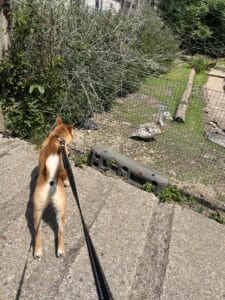
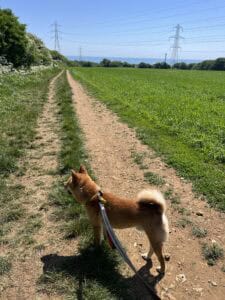
I had stopped at a service station to charge the car, grab a coffee, and allow Todd the opportunity to inspect every blade of grass in the Midlands. When we returned, an elderly gentleman was standing at the front of the car staring at it with the concentration of a man trying to remember whether he had once driven one.
“Is this the Series 3?” he asked.
“I’m not entirely sure,” I replied. “I just drive it and hope for the best.”
He nodded immediately.
“Then it’s the Series 3.”
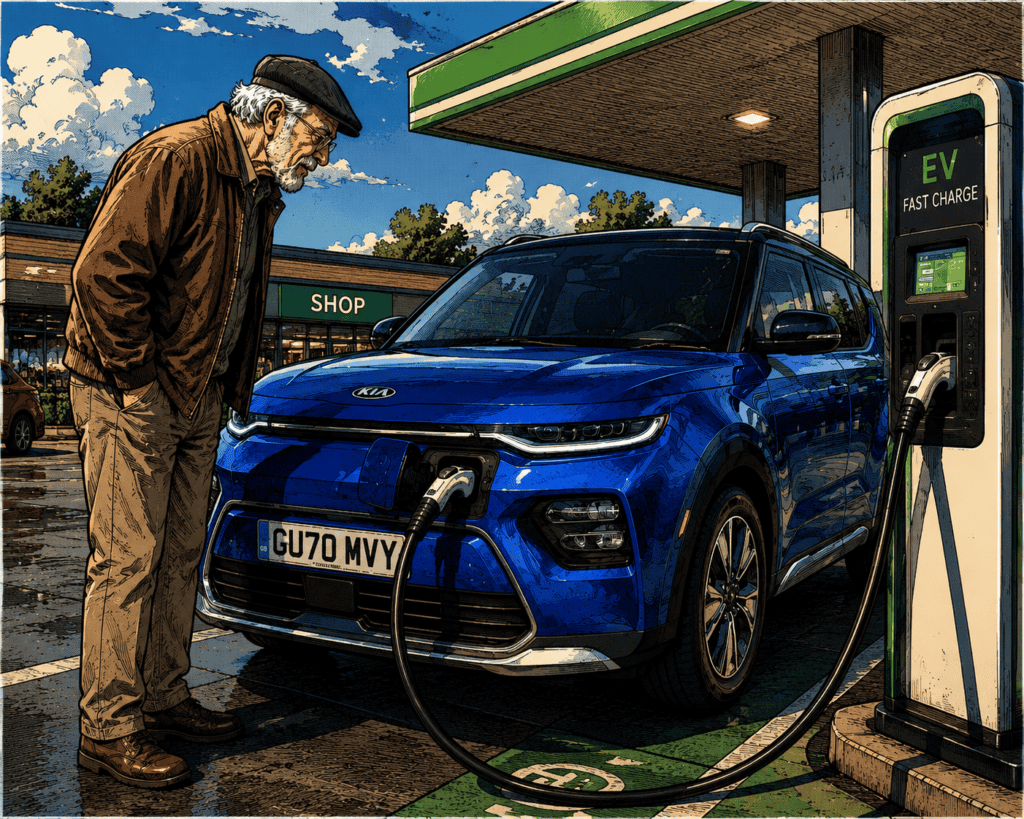
Within moments, we were deep into conversation about electric cars, mysterious dashboard symbols, and the peculiar reputation of the Kia Soul — a vehicle affectionately described by many as a shoebox on wheels. There is something deeply reassuring about two grown men bonding over mutual confusion with technology.
Eventually, he asked what I did for work.
“I’m cabin crew for British Airways.”
His face shifted slightly.
“I flew for BOAC,” he said. “Retired in 1989.”
And just like that, the conversation moved somewhere else entirely.
We spoke about flying, about passengers, about the rhythm of airports and time zones and the strange way aviation people always seem to recognise one another, even decades apart. He told me that after retirement, he joined the police force. Then I asked what had brought him onto the road that weekend.
He explained that he and his wife had shared the same birthday. May 23rd. She passed away last year.
There was a pause then, not awkward, just human.
He told me he had always wanted to do a zipline. She had never wanted to. So now, for the first time, he was travelling with his son and grandson to finally do one.
I remember feeling oddly moved by that. Not because it was dramatic, quite the opposite. It was small, understated, ordinary. The sort of conversation that disappears every day because somebody decides not to ask one extra question.
Before we left, I shook his hand and called him “Captain.” He smiled in a way that suggested he had not heard that word directed at him in quite some time.
Then we carried on with our separate journeys.
That brief encounter stayed with me for the rest of the drive north. It happened because of a car, or curiosity, or timing, or perhaps simply because two people were willing to remain open to interruption.
More and more, I think life speaks quietly, not through grand revelations or cinematic moments, but through these fleeting collisions with strangers who remind us that everybody is carrying a story, a grief, a hope, or a zipline they have not yet taken.
And perhaps that is what I really mean whenever I say:
keep listening.